All Treatment
Advanced eye treatment for better vision and healthy eyesight naturally.
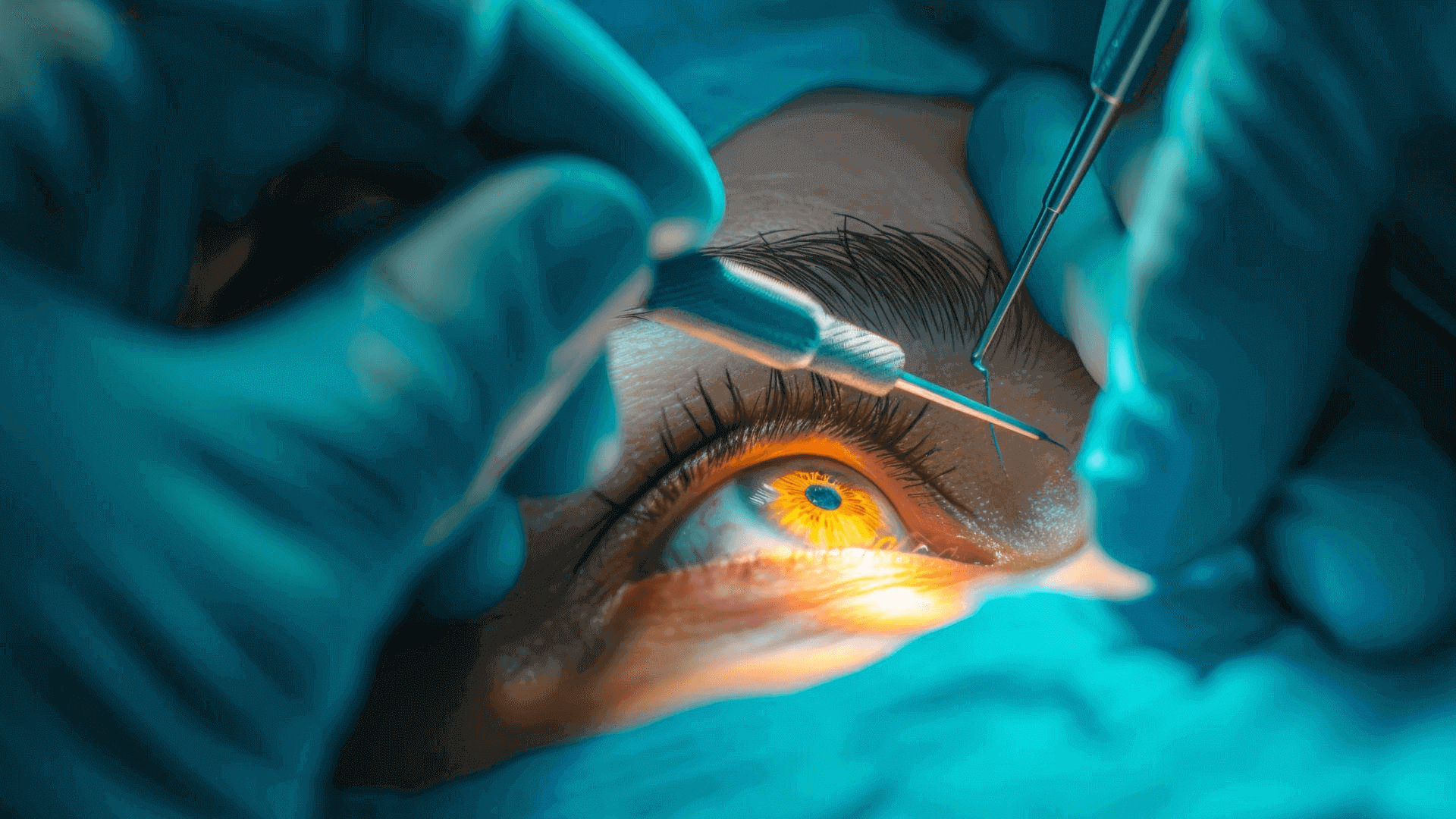
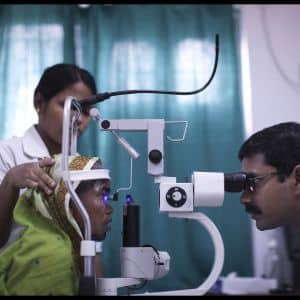
Laser surgery is an advanced medical procedure that uses a high-intensity laser beam to cut, remove, or repair tissues. It reduces bleeding, increases precision, and shortens recovery time for patients.
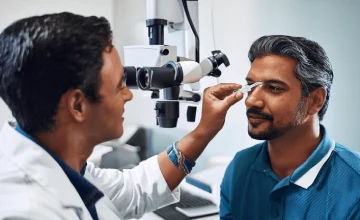
Glaucoma surgery is a medical procedure that uses laser or surgical methods to reduce eye pressure. It helps protect the optic nerve from damage and prevents further vision loss effectively.
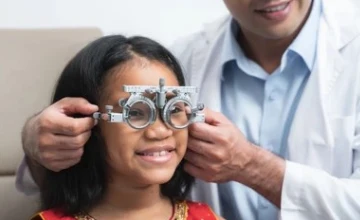
Diabetic eye care prevents and treats vision problems from diabetes, like diabetic retinopathy. Regular checkups, laser treatment, and blood sugar control protect eyesight and prevent vision loss.
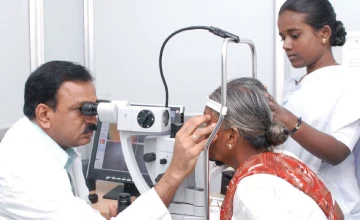
Diabetic eye care prevents and treats vision problems from diabetes, including diabetic retinopathy. Regular eye exams, laser treatments, and controlling blood sugar help protect eyesight and reduce the risk ...
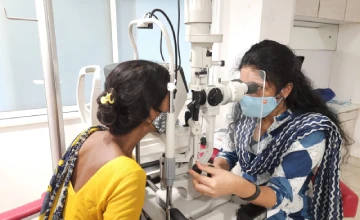
Retina detachment surgery is performed to reattach the retina to the back of the eye. It helps restore vision, prevent permanent blindness, and is usually done using laser, cryotherapy, or vitrectomy techniques.
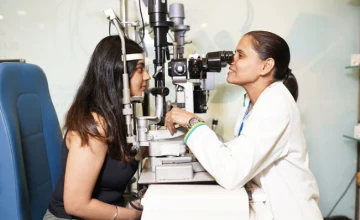
Retina services diagnose and treat retinal diseases such as diabetic retinopathy, macular degeneration, and retinal detachment. Using advanced imaging, laser therapy, and surgeries, these services aim to preser...
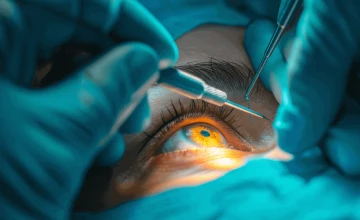
Retina surgery is a specialized procedure to repair retinal damage caused by conditions like detachment or tears. It helps restore vision, prevent blindness, and is performed using laser, vitrectomy, or other advanced techniques.
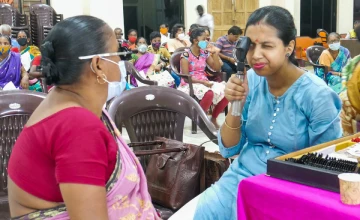
An eye examination is a comprehensive assessment of vision and eye health. It evaluates visual acuity, detects refractive errors, screens for eye diseases, checks eye movement, and assesses...
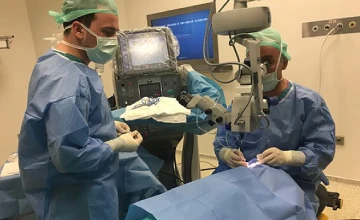
Vedanta Netralya Ghaziabad offers LASIK laser eye surgery to correct refractive errors like myopia, hypermetropia, and astigmatism, providing safe, precise vision correction and reducing...
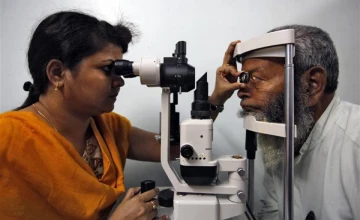
Cataract surgery is a safe and common procedure in which the cloudy lens of the eye is removed and replaced with an artificial intraocular lens (IOL), restoring clear vision and significantly improving eyesight.